
Opinion


Why you need humans, not just AI, to run great SEO campaigns
“Why can’t we just use AI to do it?” Whether you’re on the brand or agency side of SEO, I’m guessing you’ve heard some version of this from an exec or a client with little knowledge of AI tools, SEO principles, or both. I’ve been asked that question multiple times because the other party saw or heard about modest success from LLM-generated content that got some clicks and impressions. My answer: because thousands of LLM-produced pieces of content do not a successful SEO program make. This article dives into the human and AI roles in today’s SEO landscape, including: What people are getting wrong about AI and content. What AI can and can’t do for SEO campaigns. What an expert can tackle with AI tools. The North Star of 2025 SEO (as I see it) and why you need humans to reach it. (Note: No L...


How to find your next PPC agency: 12 top tips
With so many PPC agencies claiming to be experts, how do you separate true performers from the ones who just talk a good game? This guide walks you through a no-nonsense evaluation process to find an agency that delivers real results. 1. Define your goals first Before reaching out to agencies, have a clear understanding of what you want to achieve with PPC. Are you looking for lead generation, ecommerce sales, local service inquiries, or brand awareness? Knowing your objectives will help you ask the right questions and assess whether an agency is a good fit. Also, factor in your budget constraints and expected ROI. A good agency should work within your financial limits while setting realistic performance expectations. Dig deeper: How to set and manage PPC expectations for teams and sta...

How to prevent PPC from cannibalizing your SEO efforts
If you manage both SEO and PPC, striking the right balance is key to maximizing efficiency and ROI. When paid search campaigns compete with high-performing organic listings, brands end up spending more while gaining little additional traffic. Keyword cannibalization dilutes search performance, inflates costs, and reduces overall marketing effectiveness. This guide will help you recognize the warning signs of PPC cannibalization, test its impact, and implement strategies to ensure both channels work together for optimal results. Signs your PPC campaigns are cannibalizing your SEO rankings Declining organic click-through rates If your organic rankings remain stable but CTRs are dropping, your paid ads might be stealing traffic from your organic listings. This is usually the result of bran...

From search to AI agents: The future of digital experiences
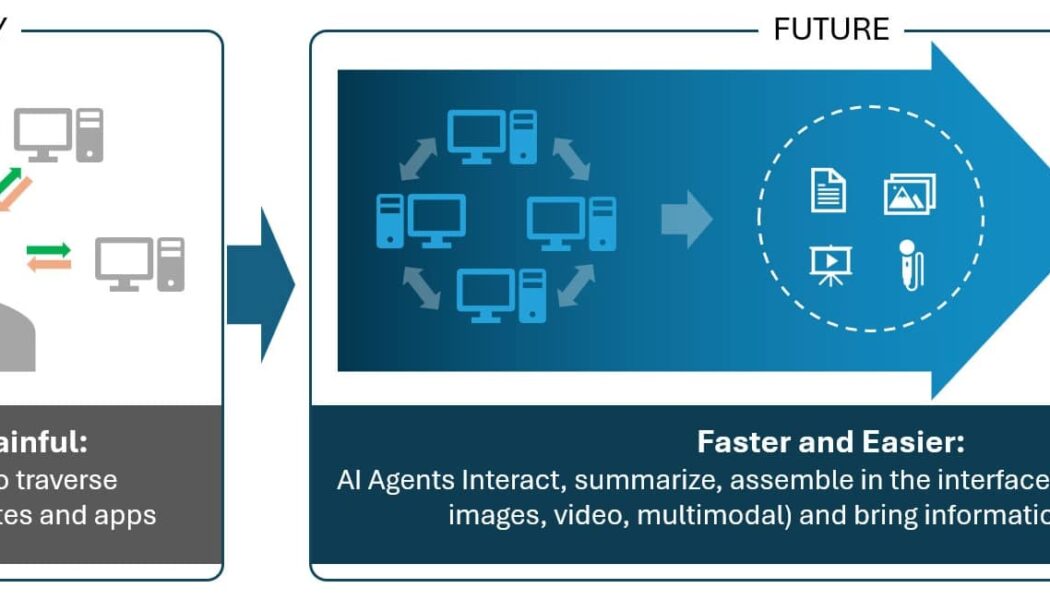
We rely on search engines to find information every day, but what if there was a better way? Instead of manually gathering details from multiple sources, AI agents can do the heavy lifting for you. They don’t just retrieve information. They analyze, organize, and personalize it in real time. This article explores: How AI agents help businesses create more personalized customer experiences. The key components and frameworks behind AI-powered agents. How multi-agent systems can collaborate to solve complex tasks. From information retrieval to intelligent problem-solving AI agents represent a fundamental shift in how we interact with AI. As brands, we are moving beyond passive information retrieval – a slow process of manually collecting data from various websites – to active problem-solvi...

How to Leverage Snowflake and OneTrust for Consent Management at Scale by Snowflake
Join experts from OneTrust and Snowflake for an exclusive look into how modern organizations are integrating privacy and consent management into their data ecosystem. In this session, Snowflake and OneTrust will share real-world use cases and insights into how organizations are activating consent for marketing purposes, all while streamlining compliance at scale. Tune in on March 4 to learn about: The intersections between consent, privacy, and data governance How enterprise brands integrate privacy and consent management with Snowflake OneTrust’s new Native App for accelerating compliance workflows within Snowflake This session is perfect for marketers, data governance professionals, and anyone looking to improve their data privacy practices with real-world examples. Here is the link to l...


Why traditional keyword research is failing and how to fix it with search intent
After 25 years of working in SEO, I’ve seen firsthand how traditional keyword research methods fail to keep up with Google’s advancements. In my SMX Next presentation, I challenged SEOs to go beyond outdated keyword methodologies and embrace an intent-driven approach. Here are six key insights from that session. 1. Traditional keyword research is failing us Traditional keyword research is no longer enough. We’ve relied on tools that provide data on competition, search volume, and relevance, but they don’t uncover the hidden context behind searches. For years, SEOs have prioritized high-volume, low-competition keywords, assuming this would drive results. While this may have worked for the simpler, lexical-based Google algorithm of the early 2000s, this approach falls short because it ig...

Content marketing in 2025: 6 strategies you can’t ignore
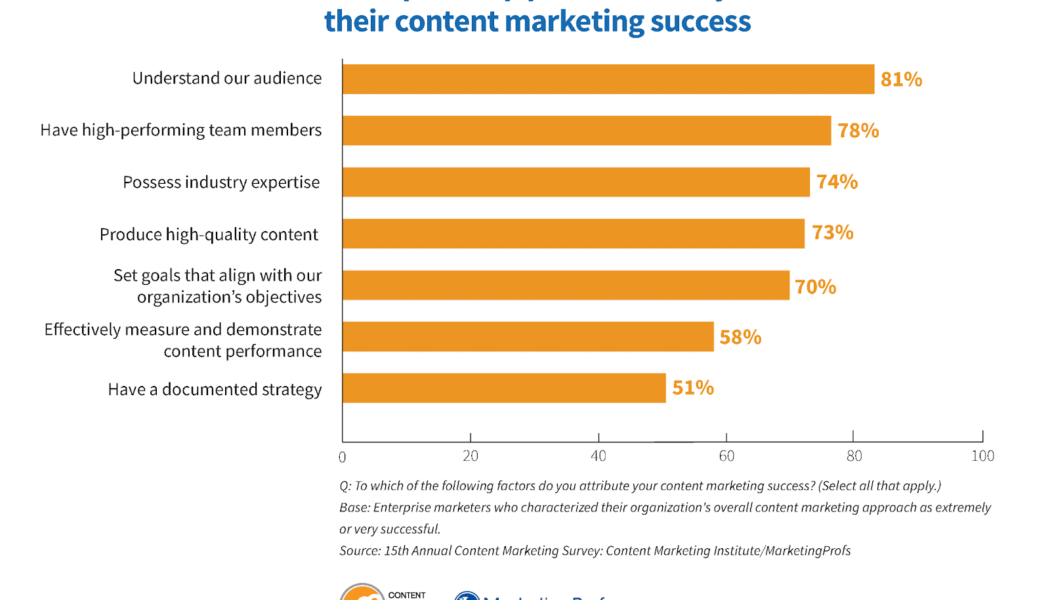
As marketers, we love to explore emerging strategies and trends to stay ahead of the curve. However, what’s relevant and effective is always changing, despite countless case studies and think-pieces predicting the next big trend. Content marketing, in particular, is highly susceptible to speculation and testing because it is fluid and heavily influenced by consumers’ behaviors and interests at any given moment. This makes it interesting, innovative and challenging. So, what are the predictions for content marketing in 2025? Let’s dive in. 1. Spark inspiration with ‘visionary’ content Robert Rose recently covered an emerging trend – visionary content. Inspired by Matthew McConaughey’s TED Talk, where the actor shares his sources of motivation and inspiration, Rose relates these themes to t...
